
Choosing Batting: Cotton, Wool or Polyester
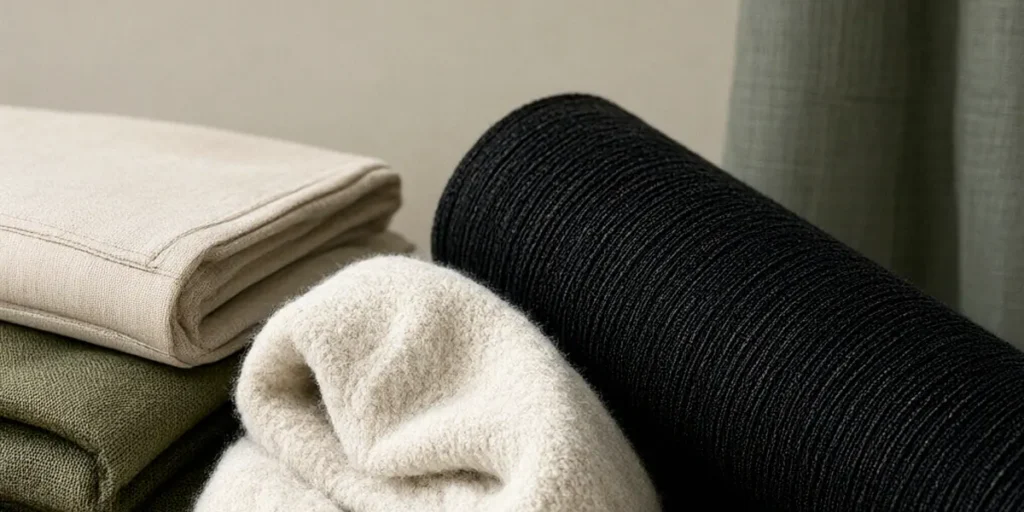
You are standing in the batting aisle at your local fabric store, three rolls leaning against the shelf in front of you. One is cotton, one is wool, one is polyester. The labels promise warmth, drape, loft, easy care — sometimes all at once. You pull out your phone, Google a few reviews, and somehow end up more confused than when you walked in. If that sounds familiar, you are not alone. Batting is one of those quiet decisions that shapes how a quilt feels, washes and wears for years, and here in Canada, the stakes are a little higher because our quilts have to work through real winters and dry indoor heating. Our team has tested battings from Hobbs, Warm Company, Quilters Dream and others in actual finished quilts, and this guide walks through what we have learned so you can pick with confidence.
Why Batting Choice Matters for Canadian Quilts
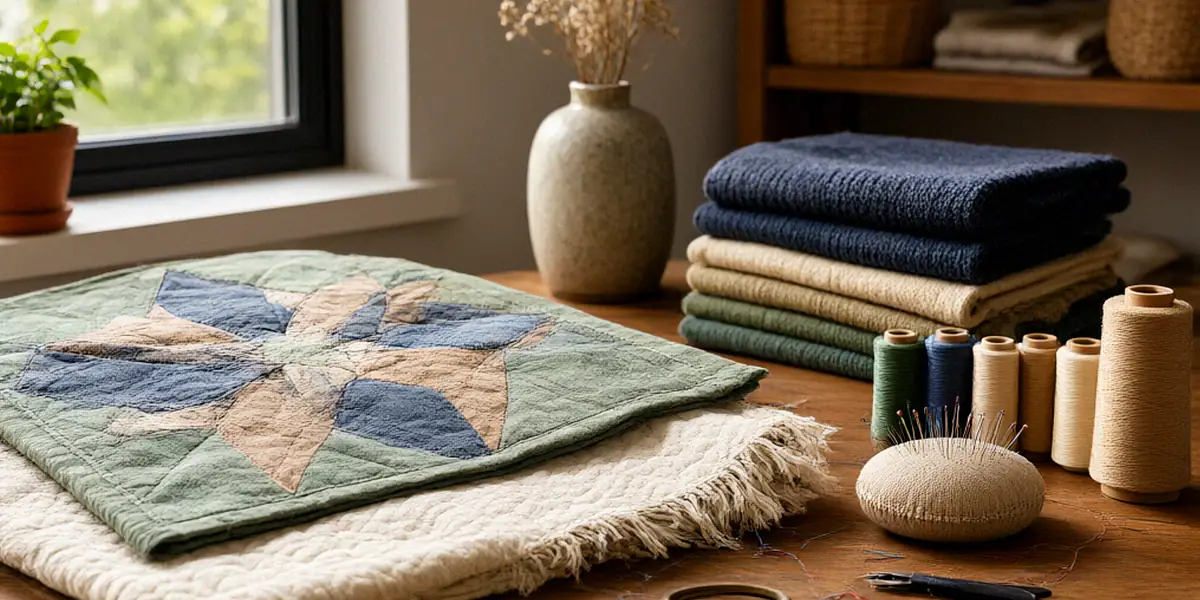
Batting is the layer that determines whether a quilt feels like a heavy duvet or a light summer throw. It affects warmth, drape, loft, stitch definition and how the quilt holds up after years of washing. In Canada, the calculation is a bit different than in milder climates. We need quilts that trap warmth on a -25°C night but still breathe when the furnace is running full blast in January. A batting that feels perfect in a Florida guest room can turn into a sweaty, clammy mess in a Winnipeg bedroom.
Our team has quilted with cotton, wool, polyester and blends from brands like Hobbs, Warm Company, Quilters Dream and Fairfield. We have washed them, dried them, dragged them to cottages and watched how they aged. The differences are real, and they show up most clearly in three areas.
Warmth and Climate: Canadian Winters vs. Indoor Heating
Warmth-to-weight ratio and breathability are the two numbers that matter most for Canadian quilters. Wool batting wins on warmth-to-weight — it traps air efficiently without adding bulk. Cotton is breathable and temperature-regulating, which is why it works well in homes that swing between a cold bedroom and a warm living room. Polyester is warm but does not breathe as well, so it can feel stuffy under indoor heating. If your quilt lives on a bed that gets both cold nights and dry furnace air, wool or a cotton-rich blend usually feels best.
Drape, Loft and Stitch Definition
Drape is how the quilt folds and cuddles. Cotton gives a flat, soft drape that shows off intricate quilting. Wool has a bit more bounce and resilience, so it drapes beautifully but springs back into shape. Polyester tends to be loftier and puffier, which is great for tied quilts and simple designs but can swallow detailed free-motion quilting. If you are planning dense free-motion quilting, a low-loft cotton or cotton-blend batting will let your stitches shine.
Shrinkage, Bearding and Longevity
Shrinkage is not a flaw — it is a design choice. Cotton batting typically shrinks 3–5%, which produces that vintage crinkle look many quilters love. Polyester resists shrinking, so the quilt stays flat and smooth. Bearding is when fibres work their way through the quilt top, and it is more common with some polyesters and low-quality wool. Longevity depends on fibre resilience, quilting distance and how you wash the finished quilt. Wool holds up best over decades if cared for gently; cotton is a close second; polyester can pill or flatten over time.
Cotton Batting: The Canadian Quilter’s Workhorse
Cotton is the batting most of us reach for first, and for good reason. It is breathable, needle-friendly, and produces a flat, traditional look that suits everything from heirloom wholecloths to everyday bed quilts. Popular options include Warm 100 by Warm Company, Hobbs Heirloom 80/20, and Quilters Dream Cotton. Hobbs Heirloom 80/20 is a cotton-poly blend that offers a good balance of drape, warmth and price for Canadian quilters — it is one of the most requested battings in our local guilds.
Best Uses for Cotton Batting
Cotton shines in quilts where you want visible quilting lines, a soft drape and predictable washing behaviour. It is our default for bed quilts, lap quilts, wall hangings and any project where the piecing or free-motion quilting is the star.
Shrinkage and the Vintage Crinkle Look
Warm 100 by Warm Company is a 100% cotton batting that shrinks 3–5% for a vintage crinkle look. If you want that antique, softly puckered texture, wash and dry the finished quilt once and the batting does the work for you. If you want a flatter finish, pre-shrink the batting or choose a cotton-poly blend like Hobbs Heirloom 80/20, which shrinks less.
Quilting Distance and Stitch Definition
Most cotton battings allow quilting up to 8–10 inches apart, though we usually quilt denser for durability. Stitch definition on cotton is excellent — every line of free-motion quilting reads clearly, which is why cotton is a favourite for show quilts and detailed custom work.
Wool Batting: Warmth Without Weight
Wool is the batting we recommend when someone wants a truly warm bed quilt that does not feel like a sandbag. Its warmth-to-weight ratio is unmatched, it breathes beautifully, and it has natural resilience that helps a quilt keep its shape. Hobbs Heirloom Wool and Quilters Dream Wool are the two we use most. Quilters Dream Wool is a needle-punched wool batting known for warmth without weight and good loft, and it quilts like a dream.
Warmth and Breathability for Cold Nights
On a cold Canadian night, wool traps warmth while letting moisture escape, so you stay cozy without overheating when the furnace kicks in. This is the batting we reach for when someone wants a winter bed quilt that will actually get used from October through April.
Loft, Drape and Quilting Spacing
Wool has moderate loft — puffier than cotton, flatter than high-loft polyester — and drapes with a lovely softness. Quilting distance varies by product, but most wool battings allow up to 10 inches, and needle-punched versions handle even more. Always check the manufacturer’s label.
Care and Washing Considerations
Wool can be needle-punched or resin-bonded, and both may require gentler washing than cotton. Use a gentle cycle with cool water and a wool-safe detergent, and dry flat or on low. Avoid hot water and high heat, which can felt the fibres and shrink the quilt.
Polyester Batting: Affordable Loft and Quick Drying
Polyester is the budget-friendly, high-loft option. It is lightweight, resists shrinking, and dries fast, which makes it popular for tied quilts, baby quilts and wall hangings. Brands like Mountain Mist and Fairfield are widely available in Canada. One clarification worth making: Warm & Natural is actually a cotton batting, not polyester, despite sometimes being shelved near the polys — so read the label carefully.
Loft and Warmth Without Weight
Polyester gives you that puffy, cloud-like look with very little weight. It is warm, but because it does not breathe as well as cotton or wool, it can feel clammy under indoor heating. For a decorative quilt or a baby play mat, that trade-off is usually fine.
Drying Speed and Mildew Resistance
Polyester dries faster than any natural fibre and resists mildew, which is handy for quilts that live in cottages, campers or damp basements. If your quilt will see a lot of washing — baby quilts, charity quilts — polyester’s quick-dry nature is a genuine advantage.
Bearding, Quilting Distance and Longevity
Some polyesters can beard, meaning fibres migrate through the quilt top over time. This is more likely with cheaper battings and loosely woven fabrics. Quilting distance is usually generous, but polyester can flatten or pill with heavy use, so it is not our first choice for heirloom quilts meant to last generations.
How to Choose: Matching Batting to Your Quilt’s Purpose
The fastest way to choose is to start with how the quilt will be used, then work backward to fibre, loft and care. Here is the framework our team uses:
- Bed quilt for winter: wool or Hobbs Heirloom 80/20 for warmth and drape.
- Wall hanging or show quilt: low-loft cotton for stitch definition.
- Baby quilt: cotton or a lightweight poly that washes and dries quickly.
- Charity quilt: affordable cotton-poly blend that tolerates frequent washing.
- Tied quilt: high-loft polyester for that classic puffy look.
Canadian quilters can source batting from Canadian retailers like Fabricland or The Quilting Bee to avoid cross-border shipping and duties. Ordering a full roll from a Canadian shop often beats a US sale once exchange, shipping and brokerage are factored in.
Bed Quilts for Canadian Winters
For a quilt that will actually keep someone warm in February, choose wool or a cotton-rich blend. Wool gives the best warmth-to-weight ratio; Hobbs Heirloom 80/20 gives a great balance of warmth, drape and price.
Wall Hangings and Show Quilts
Go low-loft and cotton. You want the quilting to be the star, and cotton gives you crisp stitch definition without extra puffiness distorting your design.
Baby Quilts and Charity Quilts
Prioritize washability and price. A cotton-poly blend or a mid-loft polyester handles frequent laundering well and keeps costs down when you are making quilts in volume.
Our Team’s Top Batting Picks for Canadian Quilters
After years of testing, these are the battings we keep coming back to. We buy them from Canadian shops whenever possible — it saves on shipping, duties and the wait at the border.
Best All-Around Batting
Hobbs Heirloom 80/20. It is a cotton-poly blend that offers a good balance of drape, warmth and price, and it works for almost any project — bed quilts, lap quilts, wall hangings. If you only keep one batting on the shelf, make it this one.
Best for Cold Canadian Nights
Quilters Dream Wool. It is a needle-punched wool batting known for warmth without weight and good loft, and it turns a bed quilt into something you actually look forward to crawling under in January.
Best Budget-Friendly Option
Warm 100 by Warm Company for heirloom cotton quilts, or a mid-loft polyester from Fairfield or Mountain Mist for tied and baby quilts. Warm 100 shrinks 3–5% for a vintage crinkle look, which many quilters consider a feature rather than a flaw.
A quick note on sourcing: Canadian quilters can find most of these at Fabricland or The Quilting Bee, and ordering from a Canadian retailer avoids cross-border shipping and duties entirely.
There is no single best batting — only the best batting for your specific quilt, climate and quilting goals. A wool batting that makes a winter bed quilt perfect would be overkill in a wall hanging, and a lofty polyester that is ideal for a tied baby quilt would fight dense free-motion quilting on an heirloom piece. Our advice is simple: buy a small crib-size package of two or three battings, make sample sandwiches, quilt them the way you plan to quilt your real project, and wash them. Ten minutes of testing will tell you more than any label ever could.
FAQ
What is the warmest batting for a Canadian winter bed quilt?
Wool is the warmest for its weight. Quilters Dream Wool and Hobbs Heirloom Wool both trap heat efficiently while staying breathable, so the quilt feels warm without becoming heavy or clammy under indoor heating.
Does cotton batting really shrink?
Yes. Warm 100 by Warm Company is a 100% cotton batting that shrinks 3–5% for a vintage crinkle look. If you prefer a flatter finish, choose a cotton-poly blend like Hobbs Heirloom 80/20 or pre-shrink your batting before quilting.
Can I use polyester batting for free-motion quilting?
You can, but high-loft polyester can swallow detailed quilting and is more prone to bearding. For dense free-motion work, a low-loft cotton or cotton-blend batting gives much better stitch definition and durability.
Where can Canadian quilters buy batting without cross-border shipping?
Fabricland and The Quilting Bee are two reliable Canadian retailers that stock Hobbs, Warm Company, Quilters Dream and Fairfield battings. Buying locally avoids exchange rates, duties and brokerage fees.
How far apart can I quilt with wool batting?
Most wool battings, including needle-punched options like Quilters Dream Wool, allow quilting up to 10 inches apart. Always check the manufacturer’s label, and quilt a little denser if the quilt will be washed often.